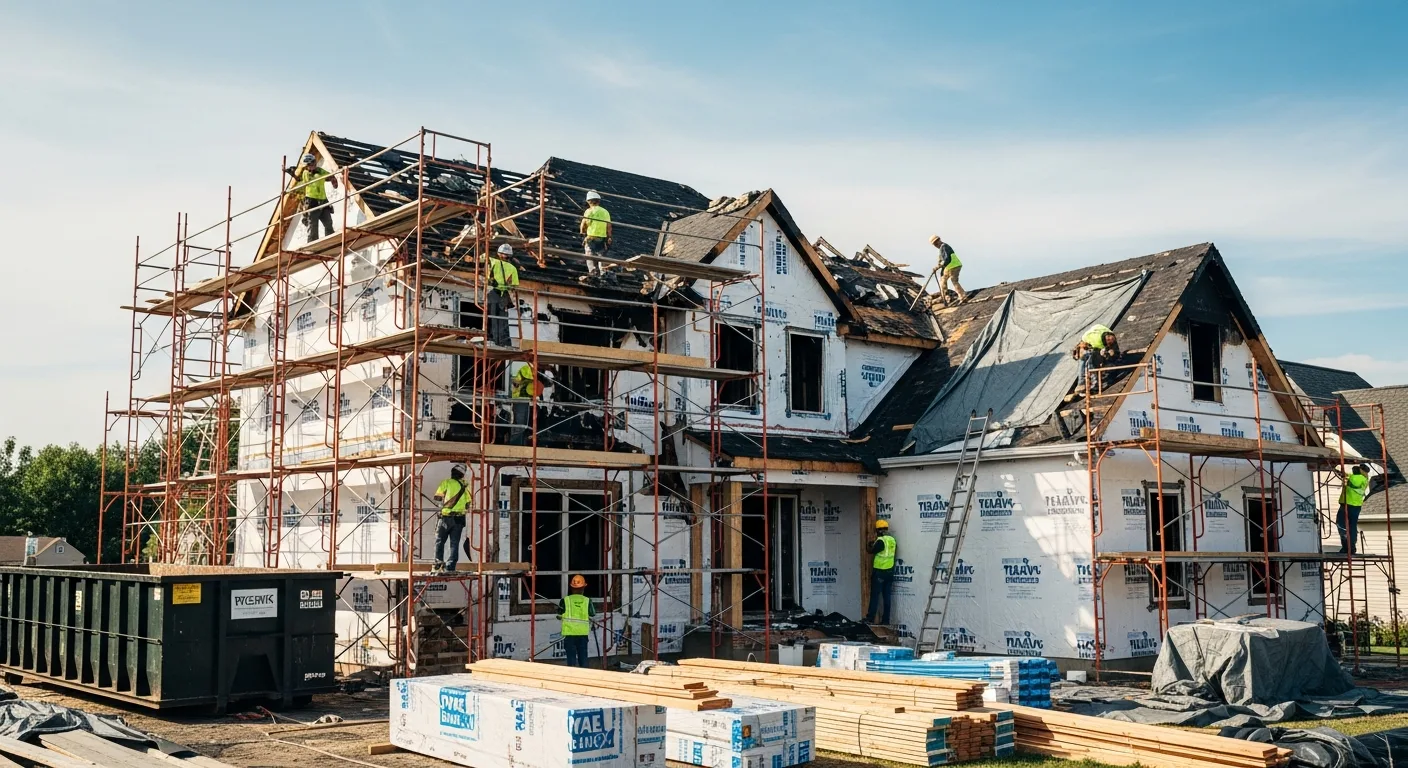
Fire damage restoration is the process of securing, cleaning, drying, deodorizing and rebuilding a home after fire, smoke and firefighting water have damaged it.
A house fire is one of the most overwhelming things a homeowner can face. Understanding how professional fire damage restoration works can bring some order to the chaos. Here's the full process.
Few events are as devastating as a house fire. Even after the flames are out, the damage continues — smoke, soot, and the water used to extinguish the fire keep working on the home. Recovering is a process, and understanding that process helps homeowners feel less overwhelmed and make better decisions. Here's how professional fire damage restoration typically unfolds for St. Louis homes, from the first day to moving back in.
Step 1: Securing and Stabilizing the Home
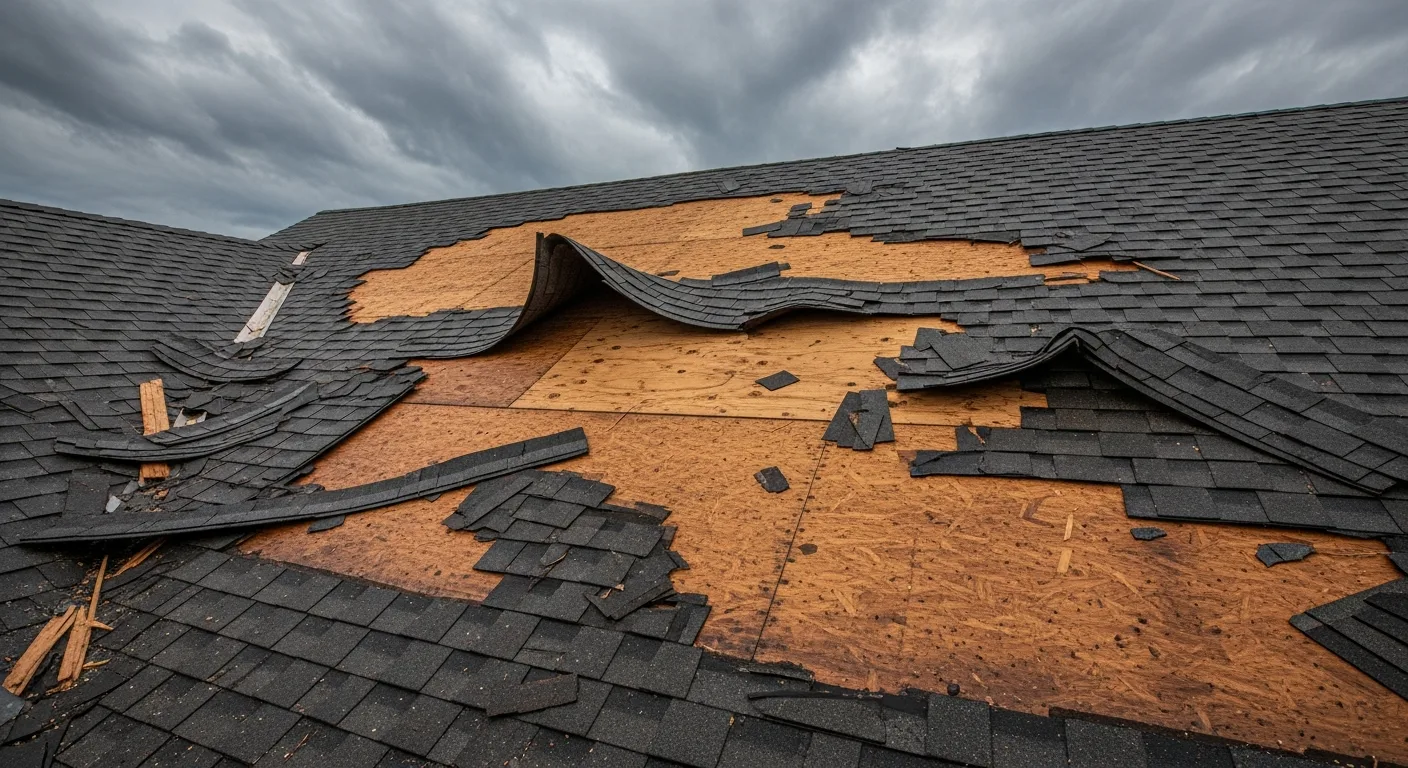
The first priority after the fire department clears the scene is preventing further damage and keeping the property secure. That means board-up of broken windows and doors, tarping any openings in the roof, and stabilizing anything structurally compromised. This step protects the home from weather, animals, and theft while the claim and restoration plan come together. It also keeps everyone safe from hazards inside a fire-damaged structure.
Step 2: Assessment and Insurance Coordination
Next comes a detailed assessment of the damage — structural, smoke, soot, and water — to build a complete scope of work. Fire claims are among the most complex in insurance, and thorough documentation is essential. A good restoration contractor works alongside you and your insurer, documenting everything and helping ensure the scope reflects the true extent of the damage, both the visible destruction and the smoke and odor issues that spread far beyond the burned area.
Step 3: Water Removal and Drying
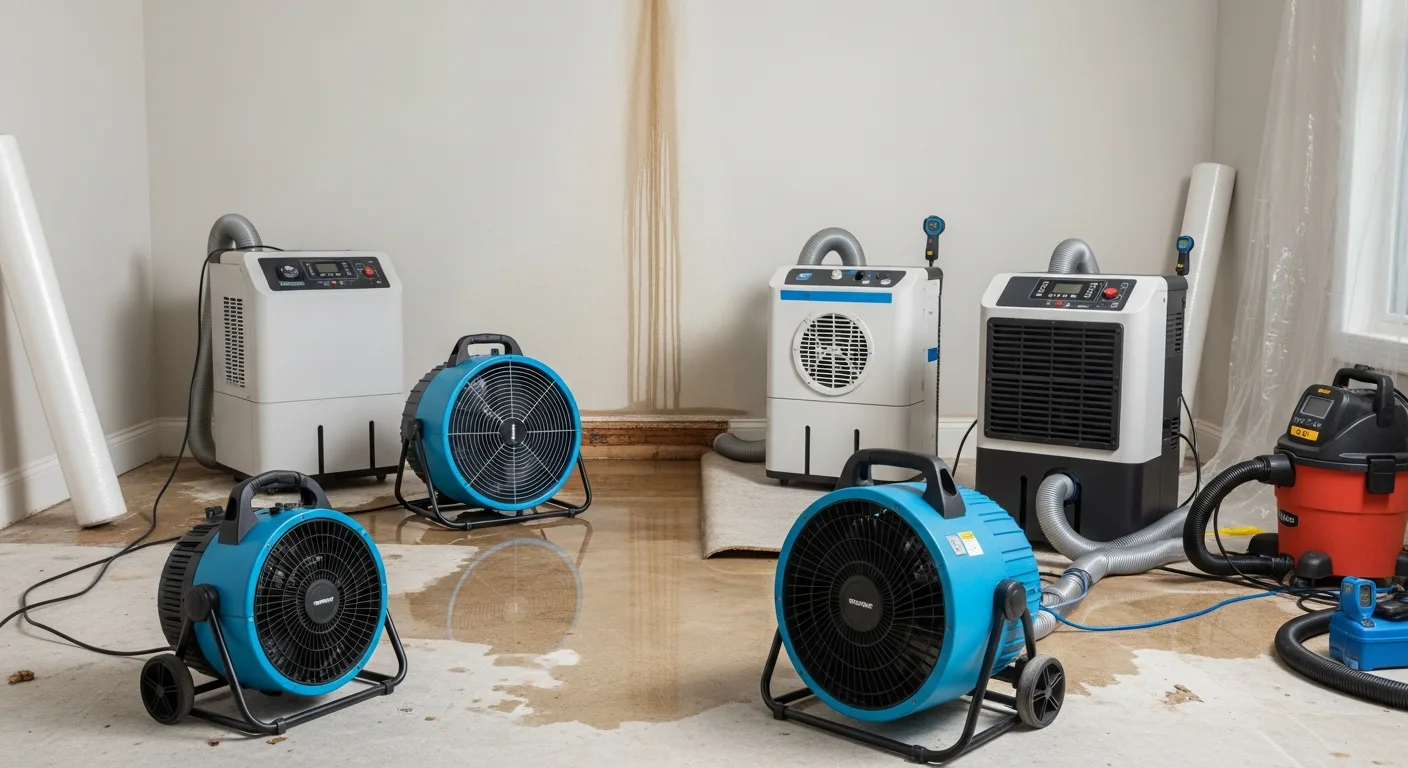
Firefighting water can damage floors, walls and belongings even after the flames are out. Water removal and controlled drying help prevent mold and further damage to building materials. Restoration includes extracting standing water and drying the structure before rebuilding begins. Ask the restoration team to document moisture readings rather than relying on surfaces that only feel dry. Do not reenter a fire-damaged home until emergency officials say it is safe.
Step 4: Smoke, Soot, and Odor Removal
Smoke and soot cleanup requires specialized restoration methods. Smoke residue can reach ductwork, wall cavities and porous materials throughout a house. Soot can damage surfaces and leave persistent odors when cleaning does not reach the affected materials. Professional cleanup may include cleaning contents, treating surfaces, removing unsalvageable materials and deodorizing rooms. Ask which materials can be cleaned and which need replacement before approving the repair scope.
Step 5: Reconstruction and Rebuilding
With the home cleaned, dried, and deodorized, reconstruction brings it back to life. Depending on the fire's severity, this ranges from repairing and repainting a few rooms to rebuilding entire sections of the home — framing, drywall, flooring, cabinetry, trim, and finishes. Because we're a full-service building and remodeling company, we can carry a project all the way through reconstruction, coordinating every trade so you have one accountable team rather than juggling many.
You Don't Have to Navigate It Alone
Recovering from a fire is as much an emotional process as a construction one. Having an experienced, compassionate local contractor who can handle the full journey — from emergency board-up through complete reconstruction — takes an enormous weight off your shoulders. STLBRC helps St. Louis-area families rebuild after fire damage, and we'll work directly with your insurance throughout. If you're facing this, call us at (636) 999-7663.
When is it safe to go back inside?
Only after the fire department or local officials say the home is safe to enter. Fire can weaken floors, roofs and walls in ways you cannot see. Utilities may need inspection before they are restored. Wear protection against soot and ash if you are allowed in briefly.
What should you save or document first?
Photograph every room before anything is removed. List damaged items as you go, even small ones. Keep receipts for hotel stays, meals and other added costs. Ask your insurer which living expenses your policy covers.
Why does smoke odor come back?
Smoke residue settles into insulation, ductwork and framing. Surface cleaning alone often leaves odor behind. Affected materials may need removal, sealing or specialized cleaning. Ask your restoration team how they will verify odor is gone before walls close up.
Who handles electrical and structural repairs?
Licensed electricians and qualified professionals should handle wiring and structure. Homeowners should not attempt these repairs. Permits and inspections may apply to rebuild work.
Can smoke-damaged belongings be cleaned?
Many hard items can be cleaned by specialists. Porous items like mattresses and some fabrics may not recover. Food, medicine and cosmetics exposed to heat or smoke should be discarded. Ask your insurer before throwing out anything you may need to list on a claim.
How long does fire restoration take?
Timing depends on how much of the home was affected, insurance approvals and permits. Small kitchen fires may move faster than fires that damaged framing or roofing. Ask your contractor for a phased schedule. Keep in close contact with your adjuster, since approvals often set the pace. Ask for regular written updates.
- Keep a log of every call with your insurer
- Save photos of each phase of work
- Ask for final inspection records
Sources and further reading
- Ready.gov: Home fires
Fire safety, evacuation and safe recovery guidance.
- EPA: A brief guide to mold, moisture and your home
Moisture control, cleanup limits, and reasons to correct the water source before refinishing.
These sources explain safety and construction considerations. They do not verify STLBRC prices, manufacturer warranties, or the condition of your home.